02) 2 Lower Saltings
Ground floor Open plan kitchen and sitting room: electric oven and hob, washer/dryer...
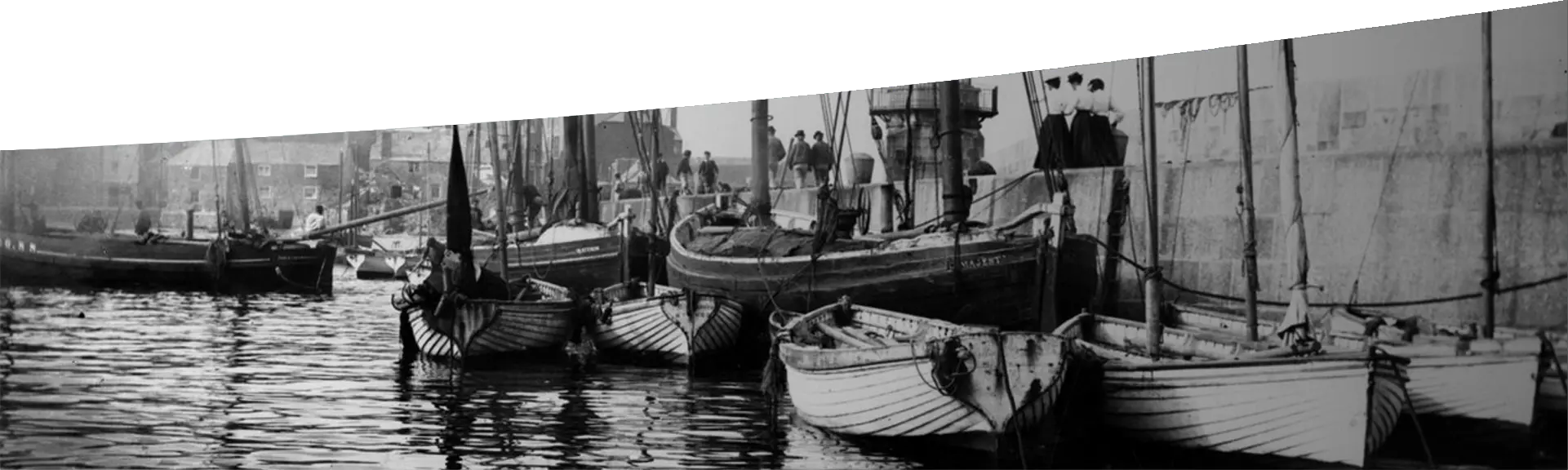
St Ives takes its name from an Irish princess and missionary called St Ia. According to legend St Ia sailed from Ireland to Cornwall on a leaf in the 5th Century. St Ia built an oratory on what is now the site of the St Ives Parish Church. During the reign of King Henry V in the early 1400s construction of the church began, taking 16 years to complete and was finally consecrated in 1434.
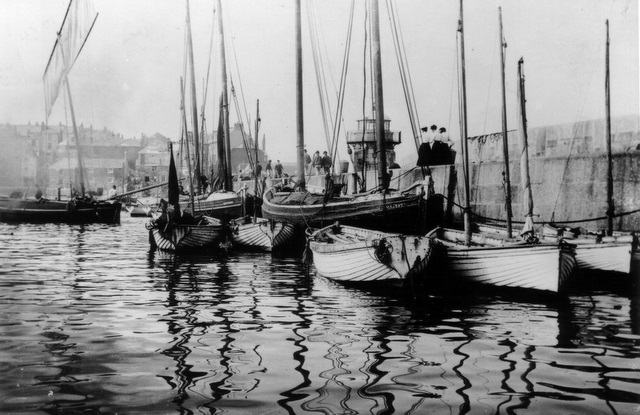
From the Middle Ages, St Ives was a very small town which was flourishing on the traditional trades of mining and fishing attaining a peak in the 19th Century with a world-wide demand for locally caught pilchards as well as tin and copper, both of which were extensively mined nearby. Coal was needed to drive mine engines which arrived in the harbour and offloaded onto horse-drawn carts. The coal was then transported to the Stennack before being taken to the local mine called, Wheal Trenwith. This is where the leisure centre and main car park are now located. Stennack means “place of tin”, Wheal means “Mine” and Trenwith is believed to be the name of the family that owned the mine.
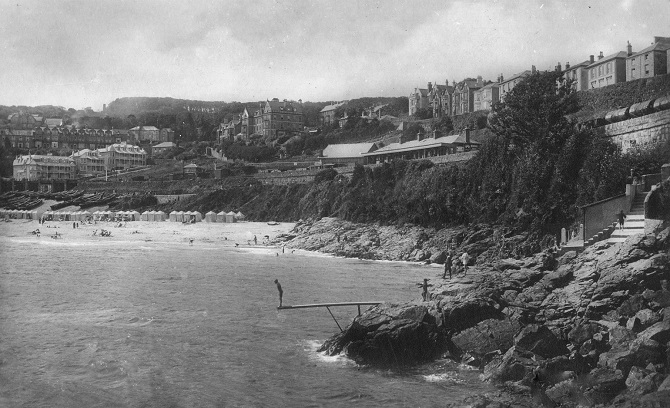
The mid-1900s saw St Ives’ reputation as an artistic centre flourish with the arrival of world-renowned modern artists such as Barbara Hepworth, Bernard Leach and Ben Nicolson. That reputation was maintained later by the likes of Peter Lanyon, Patrick Heron and Wilhelmina Bans-Graham. Barbara Hepworth’s former home and studio, where she died in a fire in 1975, is now renovated and can be visited as a museum with a beautiful garden containing many of her sculptures.
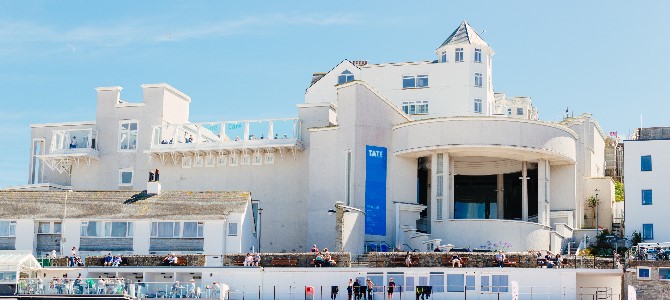
Tate Gallery originally opened in June 1993, the shape of the building echoes the former gas works. As the gallery was averaging 240,000 visitors per year, it was granted to extend the exhibition space in 2013. After a period of being closed, Tate St Ives reopened on 14th October 2017 after a £20 million extension and refurbishment.
Wesley Methodist Church, St Ives Rd, Carbis Bay, St Ives. TR26 2SF - 01736 796408
Collected information on every aspect of the town’s unique history and people including newspaper articles, maps, legal documents, correspondence, catalogues and pamphlets, books, sound recordings, photographs, genealogical records.
St Ives Archive is staffed by volunteers who have special areas of expertise to help you with your research, whether it be a simple query or a detailed research project.
Map / Website / Facebook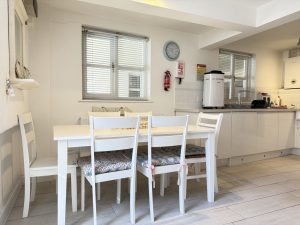
Ground floor Open plan kitchen and sitting room: electric oven and hob, washer/dryer...
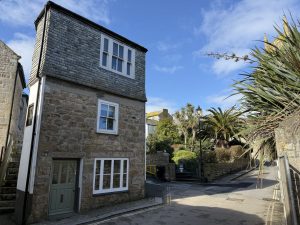
Tucked away in St Ives’ charming Hidden Quarter, Coasters House is a beautiful...
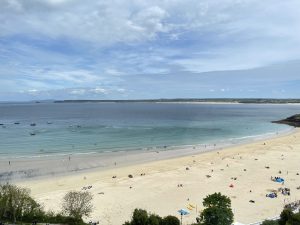
With panoramic views across St Ives’ Bay to Godrevy Lighthouse, the inspiration...
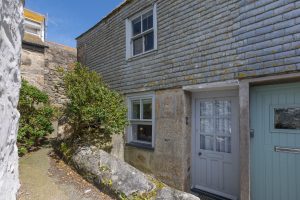
Full of character and charm, this pet-friendly cottage offers a unique and welcoming...
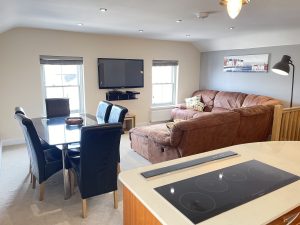
Lews Lookout, Harrys Hideout and Rosies Retreat are a group of 3 modern granite...
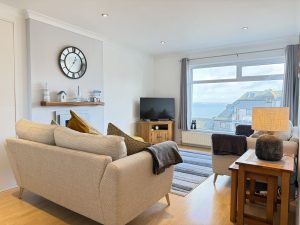
Benefiting from unrivalled views across St Ives Bay, the large picture windows...
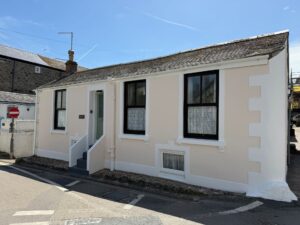
Nestled in the heart of St Ives’ charming Downalong area, Granny’s...
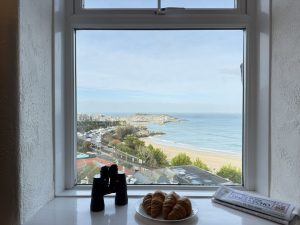
Top Floor apartment From the hallway: Open plan living space Sitting room:...