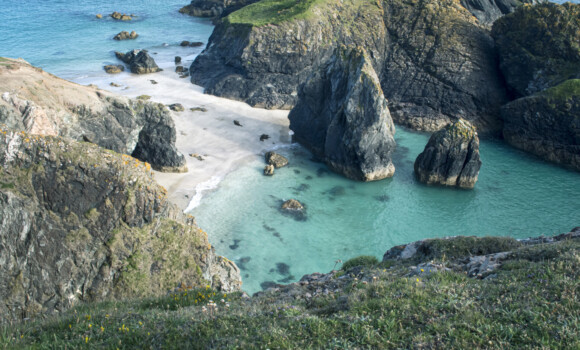
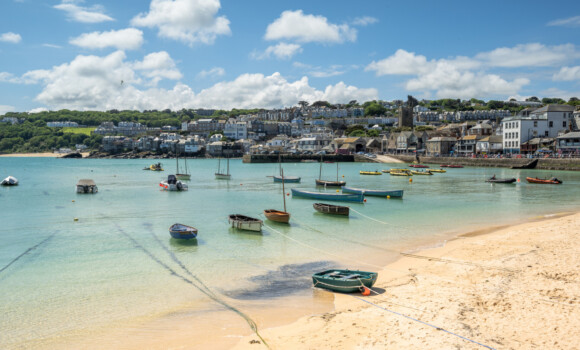
St Ives is famous for its strong dedication to its culture, boasting a rich and varied history that guarantees that every trip to St Ives provides a new experience.
Check out our guide to some of the best historic attractions in St Ives, encompassing everything from art history and maritime history to local mythology and folklore.
The history and heritage of St Ives
St Ives is named after a legendary saint known as St Ia who is said to have sailed from Ireland to Britain on a leaf. Since then, the town has grown into a haven of maritime and artistic history that has developed over the years to create a diverse environment.
The maritime history of St Ives has formed the backbone of the town’s society with fishermen making a living from catching local fish such as mackerel, pilchards and herring. The historic heart of Downalong is still defined by its picturesque fisherman’s cottages with the town growing around this district and the harbour.
Its artistic culture and influence flourished in the 20th century, becoming the home and inspiration of a range of artists, sculptors and writers from Barbara Hepworth to Virginia Woolf.
St Ives is home to a wealth of museums and art galleries that celebrate the diversity of the town’s history, allowing visitors to step back in time and get a glimpse of how the town used to be long ago.
The Barbara Hepworth Museum and Sculpture Garden in particular is a great way to step back in time and experience the life of the famous artist, with the sculptures on display remaining where she’d put them all those years ago.
Barbara Hepworth Museum and Sculpture Gardens opening times:
Monday – Sunday: 10am – 5:20pm
Entry costs £9 with donation, £8 without donation.
For concessions, the cost is £8 with donation, £7 without donation.

The ruins and castles of St Ives
For those seeking full immersion into the history of the town, there’s no better pastime than heading out to explore the ancient and historic ruins of the area, perfect for history buffs and those looking to enjoy the picturesque scenery of the Cornish coast.
Mines near St Ives
Cornwall is known for its mining history, especially tin mining and there are plenty of old ruins and historic landmarks along the coast and in the countryside for you to visit while also drinking in the charming landscape views.
Take a five minute drive over to Glew Mine and view the old engine house next to Frank’s Shaft that runs 225m deep. On a clear and sunny day, you will be able to see all the way out to the coast from here, providing the perfect escape from the hubbub of modern life.
Another mine in the area is Wheal Alice, situated near both St Ives and Carbis Bay. The engine house paints a striking picture, being slowly reclaimed by nature and set against a backdrop of rolling fields.
Glew Mine opening times: Monday – Sunday, 24 hours
Wheal Alice opening times: Monday – Sunday, 24 hours
Castles and promontory forts near St Ives
Take a 20 minute drive over to Bosigran Castle Promontory Fort. Not a traditional castle, Bosigran promontory fort is a wall built along the coast during the Iron Age, linking the cliffs together to create a line of defence.
The location is perfect for that timeless sensation and is a popular spot for adventurous rock climbers and walkers who want to enjoy the sea views along the South West Coast Path. The site is protected by the National Trust.
Trencrom Hill is another National Trust protected site, just a ten minute drive away from St Ives. It is an Iron Age hill fort with panoramic views around the countryside. The site is perfect for history enthusiasts interested in prehistoric archaeology and for nature lovers hoping to catch a glimpse of the local wildlife.
Bosigran Castle opening times: Monday – Sunday, 24 hours
Trencrom Hill opening times: Monday – Sunday, 24 hours
St Michael’s Mount
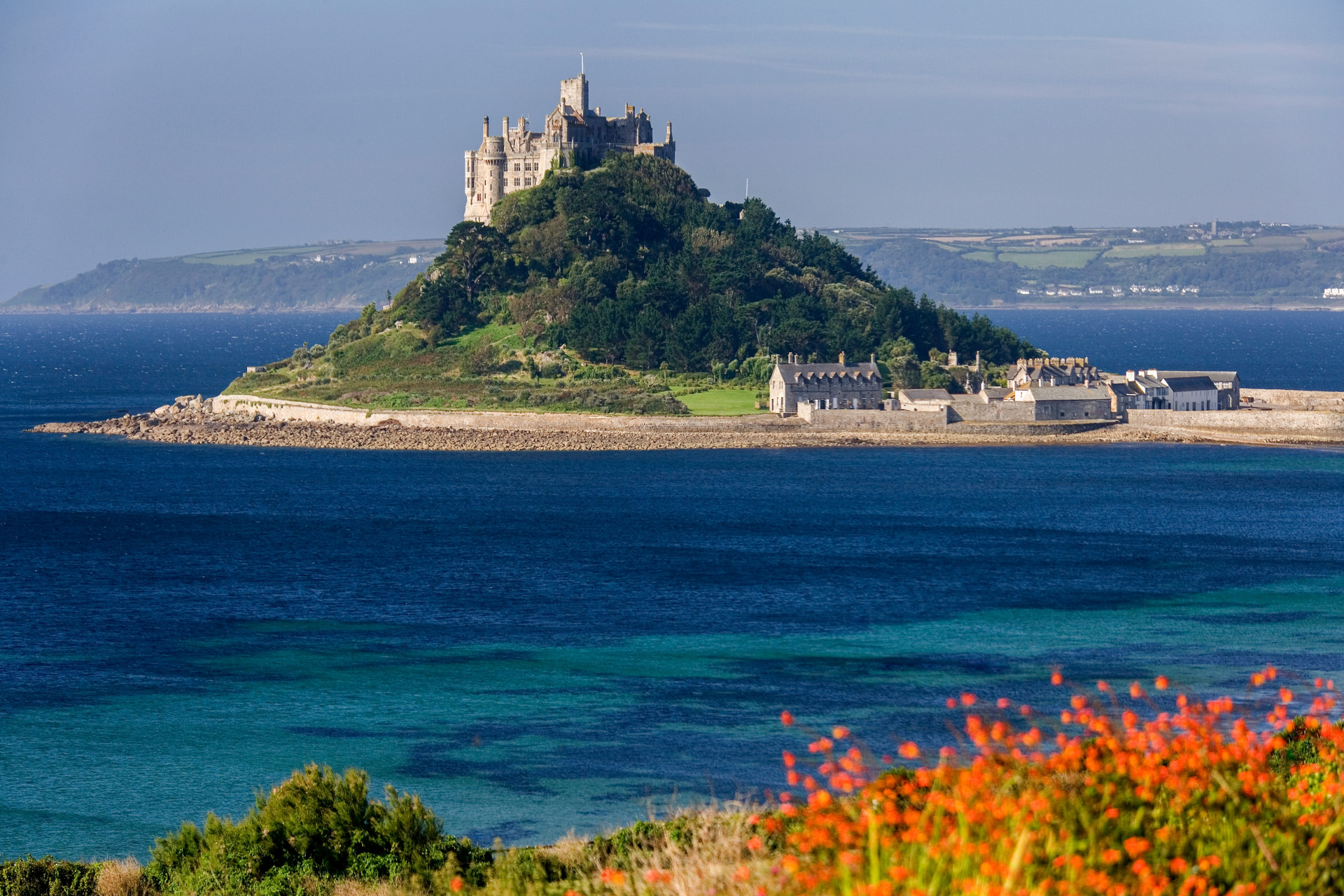
For more traditional castles, you can head to the iconic St Michael’s Mount in Marazion, built on an island only accessible via boat or causeway depending on the tide. Alongside the castle, you can also explore the gardens, church and art gallery, with each part of the island painting a full picture of Cornish coastal history.
There’s plenty of maritime history to learn about at the castle as well. The site was a key holding in both the Wars of the Roses and the English Civil War. The castle cannons once aided the capture of a Napoleonic vessel while the beacon in the church tower was the first one lit to warn of the arrival of the Spanish Armada.
For those who prefer their history with a touch of the magical, St Michael’s Mount is also home to a number of legends and folktales. Cormoran the Giant is said to have made the island his home before a confrontation with Jack the Giant Killer while tales of mermaids haunt the rocks.
The island itself even got its name via a visit from the archangel Michael, patron saint of fishermen, warning them of peril, providing a safe haven for sailors and people of faith.
Castle opening times:
Sunday – Friday – 9:15am – 5pm. Last admittance to the island is 3:45pm.
Access to the castle and island is based on tide times so don’t forget to check the tide timetables before your visit.
You can learn more about the opening times on the St Michael’s Mount website.
The garden is closed on a Sunday between 1 September and 30 April.
Mythology and folklore of St Ives
St Michael’s Mount isn’t the only place in West Cornwall rife with myth and legends. Plenty of local folklore and superstition can be found right on the streets of St Ives itself.
Some believe it is good luck to give a piece of Kimbly or Cheeld’s (Cornish saffron cake) to the first person of the opposite sex to a baby seen on the way to Church for the baptism. Fishermen also believed it to be bad luck to whistle at night and would only count caught fish using an old Cornish chant to avoid attracting bad luck and spirits.
There are also legends of the giants Blunderbore and Rebecks who would wreak chaos upon the town and travellers in the area and plenty of ghost stories. Dead Man’s Walk near Guildhall on Street-an-Pol is said to be where prisoners were marched to their execution. The way is haunted by ghosts with reports of rattling chains, footsteps and the feeling of a noose tightening around the neck.
The Lady with the Lantern is another popular local tale about a woman who died after her baby was swept out to sea. If you see a light flickering on the beach, it may very well be her ghost still searching for her child.
While holidaying in St Ives, you may also hear tell of other common Cornish folklore creatures such as:
- Piskies – playful, dancing spirits said to inhabit barrows and stone circles
- Spriggan – malicious spirits most common around West Penwith
- Bucca – said to live in tin mines and frequent the coast. There are good Bucca (Bucca Gwidden) and bad Bucca (Bucca Dhu)
- Knockers – whether friendly or cruel, these spirits were said to knock on the walls of tin mines to either warn miners of a collapse or trap them inside.
Shanty Baba walks
You can immerse yourself more deeply in the lore of St Ives by booking a spot on a local guided tour. Shanty Baba offers a range of walks exploring the history and mythology of the area, creating a sometimes spooky but always thrilling atmosphere.
Hiswalks include:
- Lantern Ghost Storywalk – terrifying and macabre tales of ghosts set exclusively on nighttime walks creates the perfect atmospheric immersion into the spookier side of town.
- St Ives Storywalk – a walk that focuses on the history and heritage of St Ives.
- St Ives Pirate Walk – learn about pirate speak, buried treasure and the finer points of the pirate Code, as well as information on historic pirates who made their mark on the Cornish coast.
- Cornish Folklore Storywalk – learn more about the witches, giants and mermaids of Cornwall along with some history on William Bottrell, a prominent Cornish folklorist who died in St Ives.
Walks are held at various times. The Lantern Ghost Walk starts at 9:30 pm while other walks like the Storywalk and the Pirate Walk start at 7pm.
Historic landmarks in St Ives
The streets of St Ives are packed with historic monuments and landmarks that either are a long-standing marker of the town’s history or celebrate it. You will be able to immerse yourself in the learning experience and marvel at the same beauties that have captivated people for centuries.
Godrevy Lighthouse
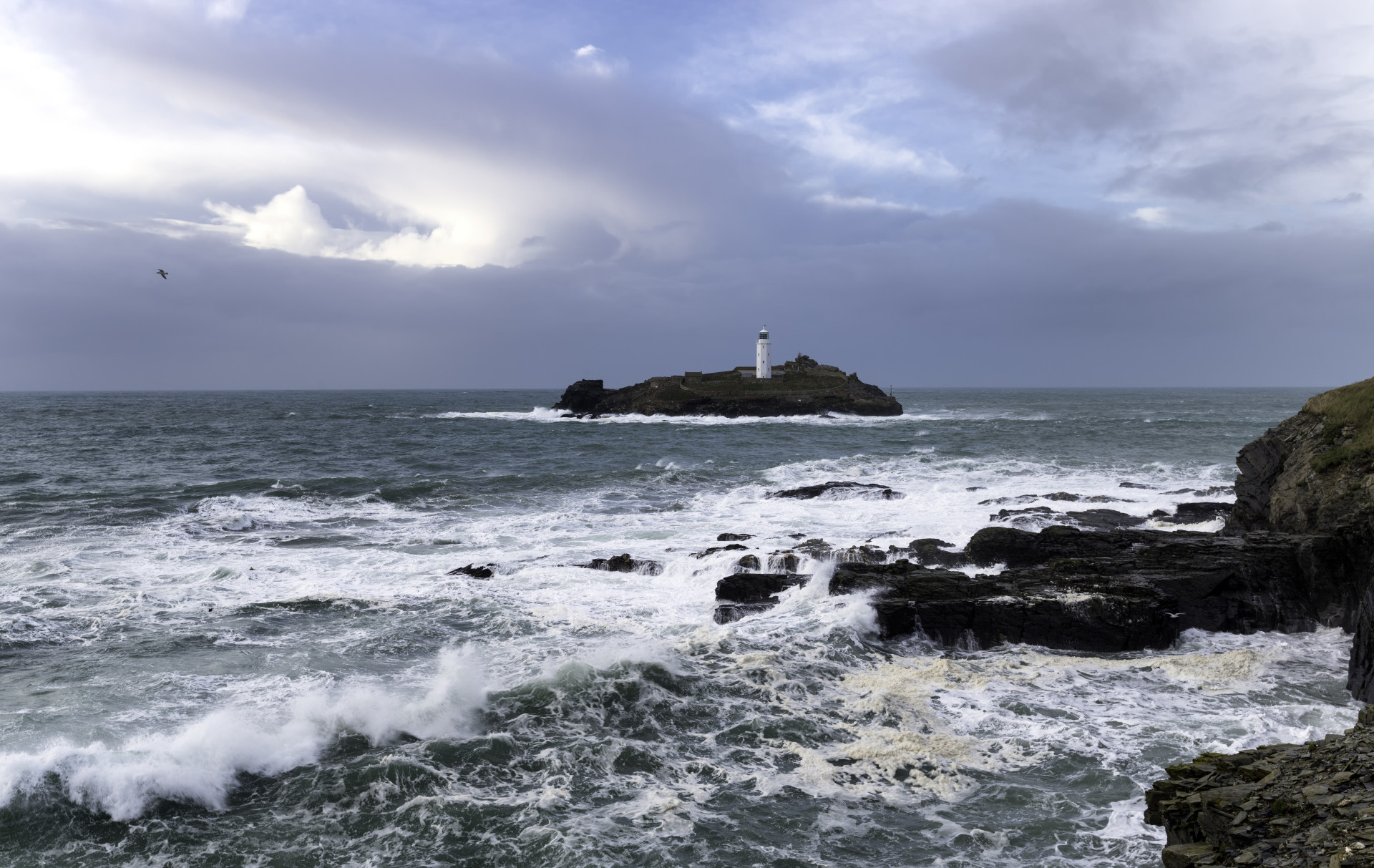
Perhaps one of the most iconic historic attractions, Godrevy Lighthouse stands three miles out to sea in St Ives Bay and is visible from a number of places in St Ives. It was built to mark the dangerous Stones Reef (known locally as The Stones) where many ships have encountered trouble before.
Perhaps its biggest claim to widespread fame is that it was the inspiration behind Virginia Woolf’s 1927 novel To The Lighthouse.
The lighthouse can be viewed up close through one St Ives’ boat tours which will take you around the island the lighthouse is built on as well as offering you the chance to spot some of the local seals and sea life that enrich the Cornish waters.
Lelant Pillbox
You can head over to Lelant along the South West Coast Path and observe the Lelant Pillbox, a relic from World War Two. Pillboxes were built as bunkers to help defend against enemy invasion.
Built up on the cliffs overlooking the coast, the pillbox is still in good shape, cutting a striking figure in the Cornish countryside. A walk over to the Lelant Pillbox is perfect for history buffs and World War II enthusiasts as well as providing an interesting and unique sight for casual walkers.
The pillbox can be visited on any day of the week and is accessible for all 24 hours of the day.
Minack Theatre
Perhaps one of the most iconic historical locations near St Ives, the Minack Theatre in Porthcurno is an open-air amphitheatre built on the cliffs overlooking the beach.
The theatre was masterminded by Rowena Cade who built much of it herself as well and it opened in 1930. The cliff is also the location of her personal home, Minack House, which was built after she bought the Minack headland for £100 in the 1920s.
While roughly 40 minutes away from St Ives, the theatre is well worth a trip to immerse yourself in one woman’s remarkable journey and to catch a performance set against the backdrop of the wild seas. You can also visit the exotic garden featuring plants from South Africa, South America and the Canary Islands.
Opening Times:
Monday – Sunday: 10am. Last admission and closing time depend on the performance scheduling. Advance booking is essential to guarantee a place on the day you want to travel there.
Museums in St Ives
The perfect historic tour of St Ives and the surrounding area is not complete without a visit to a museum where artefacts and exhibitions will celebrate the storied history of the town and provide plenty of interactive and engaging learning experiences.
St Ives’ Museum
The St Ives’ Museum got its start in 1920 when the St Ives Old Cornwall Society gathered together to preserve the history and culture of their town. They saved items from their fishing, mining and farming backgrounds in a cellar known as Capel Court in the heart of Downalong.
Since then, the museum has grown and expanded with the town donating items to the museum in its new home at Wheal Dream. The artefacts and exhibitions on offer include:
- Railway history
- Mining history
- Fishing history
- Paintings and artwork
- Ironmongery
- World War II artefacts
- Steamship history
- Cornish kitchen artefacts and history
Opening times:
Monday – Friday: 10:30am – 4:30pm
Saturday – 10:30 am – 3:30 pm
These dates go on to the end of October 2024
Captain Sir Richard Francis Burton Museum
The only museum in the world dedicated to Richard Francis Burton, this museum on Trenwith Place provides an in-depth look into the rich history of the explorer.
Richard Francis Burton was famous for many things including his exploration of the city of Mecca and heading expeditions into the Great Lakes of Africa to find the source of the White Nile in Africa. He was also a scholar famous for translating texts of the Kama Sutra and One Thousand and One Nights.
Whether you’re a fan of Burton and want to learn more in-depth information about him or are just a general history lover looking to discover something new, the Captain Sir Richard Francis Burton Museum is the perfect way to cap off your historical journey around St Ives.
Opening times:
Monday – Sunday: daily
St Ives’ Archive Centre
Currently based in Carbis Bay, it is moving into the Market House on Market Square in 2025 and is a treasure trove of local history, texts, photographs, books and film.
This non profit charity is supported by research and donations and provides an insightful glimpse into all aspects of St Ives’ history, from geography and natural history to the arts and architecture. It even celebrates the lives and stories of the inhabitants of St Ives and the surrounding parishes.
Opening times:
Tuesday – Friday: 10am – 1:30pm
Saturday – Monday: closed
St Ives’ rich history means there’s always something new to discover and learn, enriching your holiday and allowing you to immerse yourself in an authentic Cornish experience you won’t find anywhere else.
You can learn more about the history of St Ives by reading our guide to some of the gorgeous fishing villages in the area. Head to our property page and book your very own holiday cottage to come down to St Ives and experience the history for yourself.